01Journal

9 May 2026·8 min read

Brand-led web design — what it actually means.

The phrase is everywhere in agency copy. Here's what it describes when it's real, and how to tell when it isn't.

“Brand-led” is on almost every agency website. It's rarely explained. When it's used as a synonym for “we'll match your logo colours,” it describes something much less interesting than what the phrase could mean. The phrase implies a discipline — a way of working where the brand itself is the primary design brief. What that looks like in practice is worth spelling out.

What it means when it's real

A brand-led website starts not with a brief document but with the actual experience of the brand. The materials the space is made of. The tone of the client's email correspondence. The way a practitioner describes their work when you ask them about it without prompting. These are the source data.

Design decisions — typography, spatial rhythm, colour temperature, how motion is used or not used — should all be traceable back to that character. A typeface choice isn't aesthetic preference; it's an argument about what the brand feels like. A decision to use restraint with animation isn't a technical default; it's a statement about pace. When a designer can articulate the connection between a brand's character and each visual decision, you're in the presence of brand-led design. When they can't, you're looking at template work with a logo swapped in.

What it looks like in practice

Concretely: a clinic that feels unhurried and precise should have generous whitespace and a type system that reads at low contrast. The hierarchy should guide the eye slowly, not demand attention. An ecommerce brand whose product is handmade should have texture in the photography treatment and type that has warmth without being informal. The spacing between elements should feel deliberate — not tight, because nothing tight implies care.

These aren't arbitrary aesthetic choices. They're translations of the brand's actual character into visual language. The test is substitution: if you swapped this design onto a competitor's site without changing the logo, would it still feel right? If yes, the design isn't doing enough work. Brand-led design is specific enough that substitution fails.

Colour temperature is one of the more instructive examples. A warm off-white background communicates something different from a cool white. The difference is subtle — imperceptible to most conscious attention — but it's felt. A clinic that trades on warmth and approachability shouldn't have a cool-white background, even if the brief says nothing about colour temperature. A brand-led designer notices this and makes the warmer call.

How to tell if a studio is doing this

Ask them what they looked at before they opened their design tool. Ask them what they're trying to communicate with the hierarchy of the homepage. If the answers are vague — “we want it to feel premium” or “we're going for a luxury aesthetic” — that's not brand-led design. “Premium” is a target without a path.

If the answers are specific — “the tight tracking references the precision of the product, and the restrained use of colour means gold only appears where there's something to emphasise” — you're talking to someone who's actually doing the work. The specificity is the tell. Brand-led design requires that every decision be explainable in terms of the brand, not in terms of personal preference or trend.

Another useful question: ask them to describe a design decision they reversed because it didn't serve the brand. Any studio doing this work will have an example. If they can't name one, the design process is probably more intuitive than disciplined.

The Glow Co example

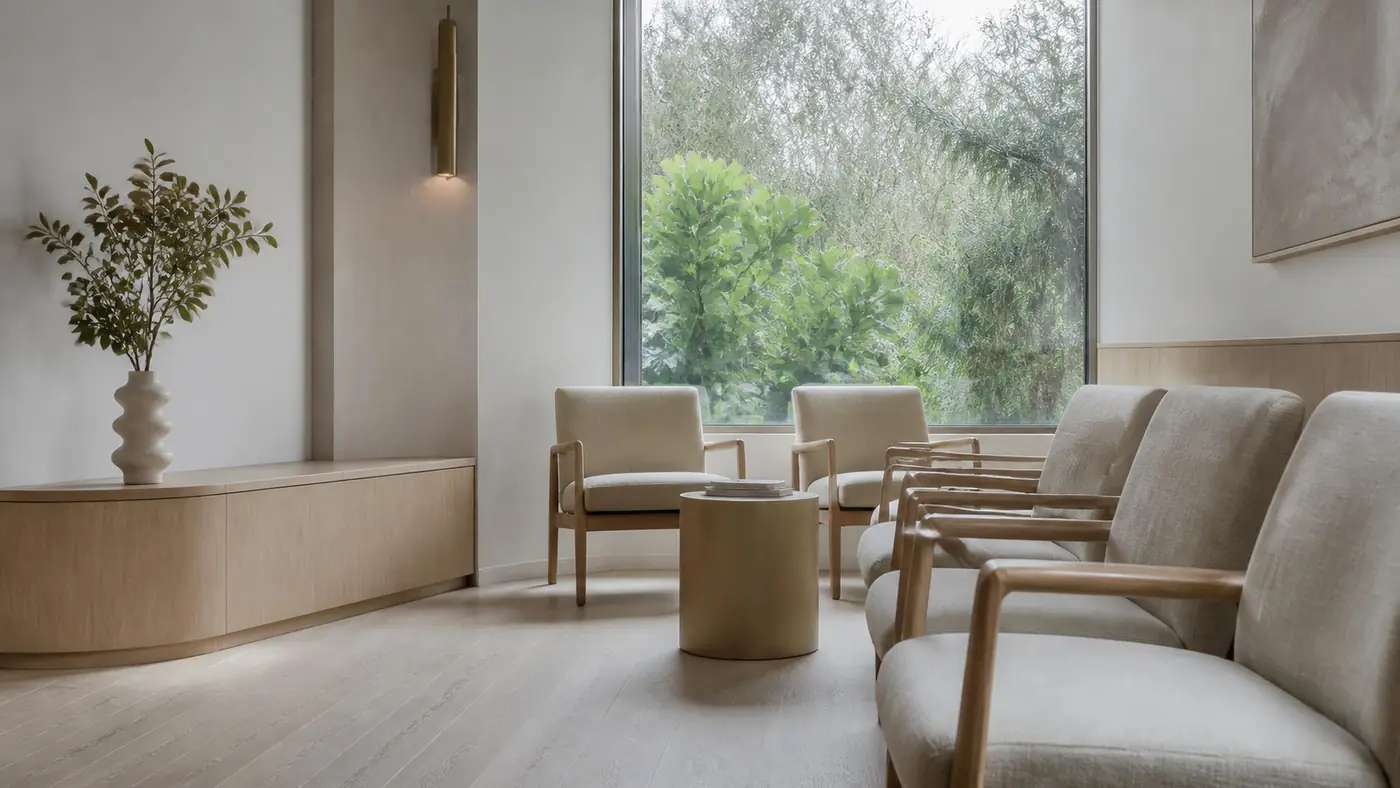
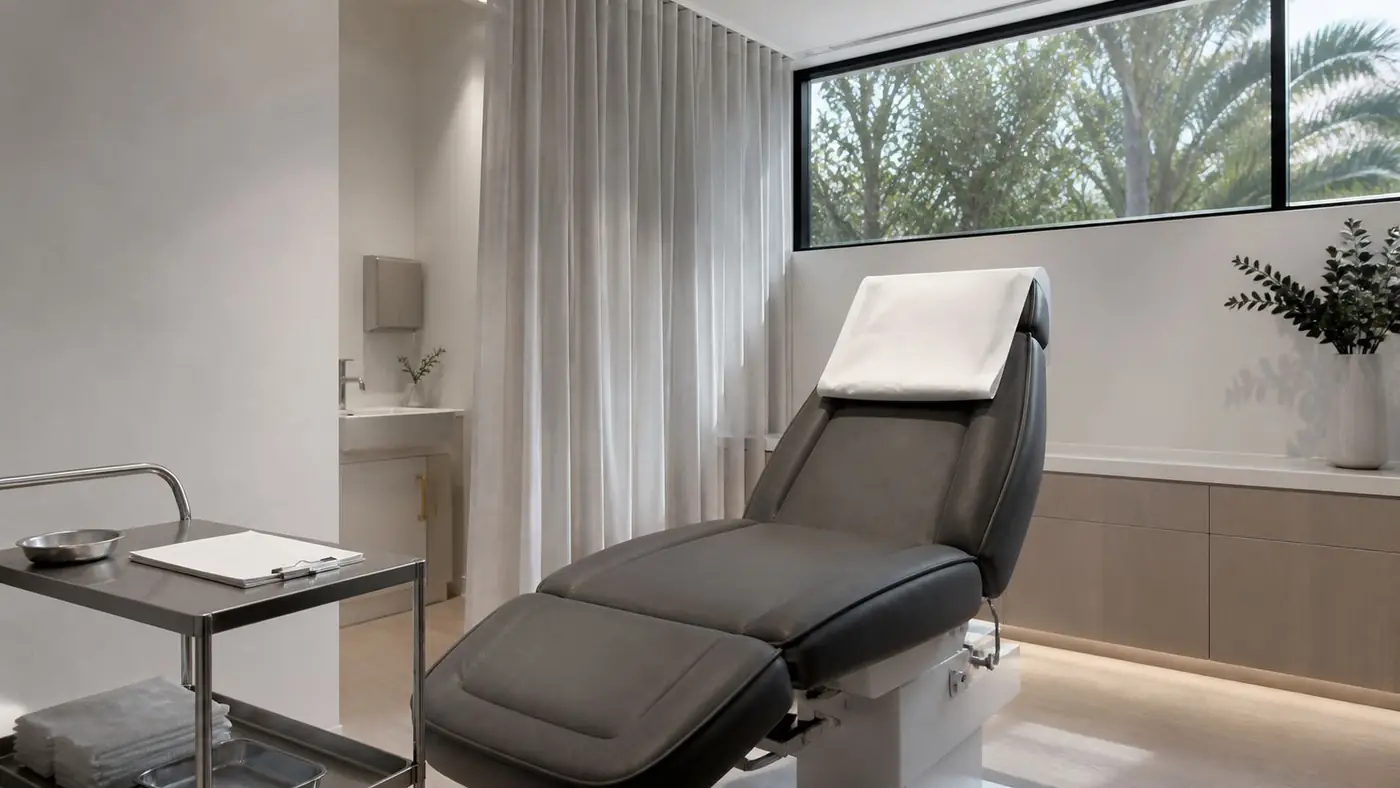
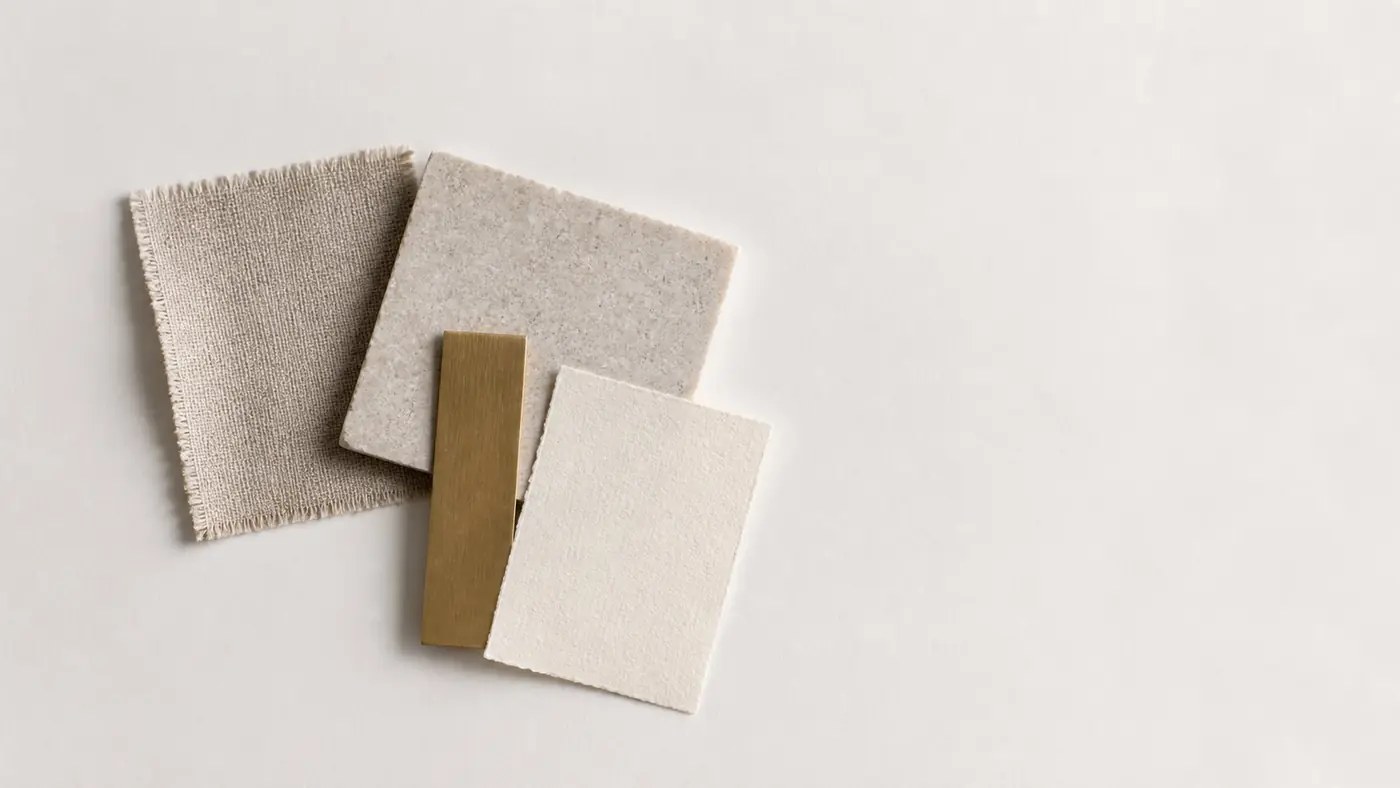
The aesthetics clinic project started with the room. The light quality of the treatment space. The materials — marble, warm timber, clean white surfaces. The pace of an appointment: unhurried, attentive, precise. The site's typographic system came from that starting point. A display serif with antique gold accents. Generous spacing that mirrors the unhurried experience of a treatment. A restrained colour palette where the gold is reserved for moments that matter.

Nothing is decorative for its own sake. The serif communicates authority without austerity. The gold appears on CTAs and accents because it carries weight — used everywhere, it would mean nothing. The spacing isn't generous because it looks expensive; it's generous because it matches the pace of the brand.

You can see the result in the Glow Co case study. The brief and the design are in conversation — each decision traceable to something real about the practice.

Brand-led web design is slower and more demanding than template work. It requires a period of genuine inquiry before a design tool is opened. It produces sites that are harder to replicate and more durable — because the design decisions are grounded in something real, not in a trend or a personal preference. When a site is built this way, it shows. Not as flourish or decoration, but as coherence: the feeling that everything on the page belongs there.

If you're evaluating studios, ask the question. The answer will tell you everything you need to know about how they work. See the full work portfolio for more examples of how this plays out across different industries and briefs.

Get in touch

If this raised questions about your own site, we're easy to reach.